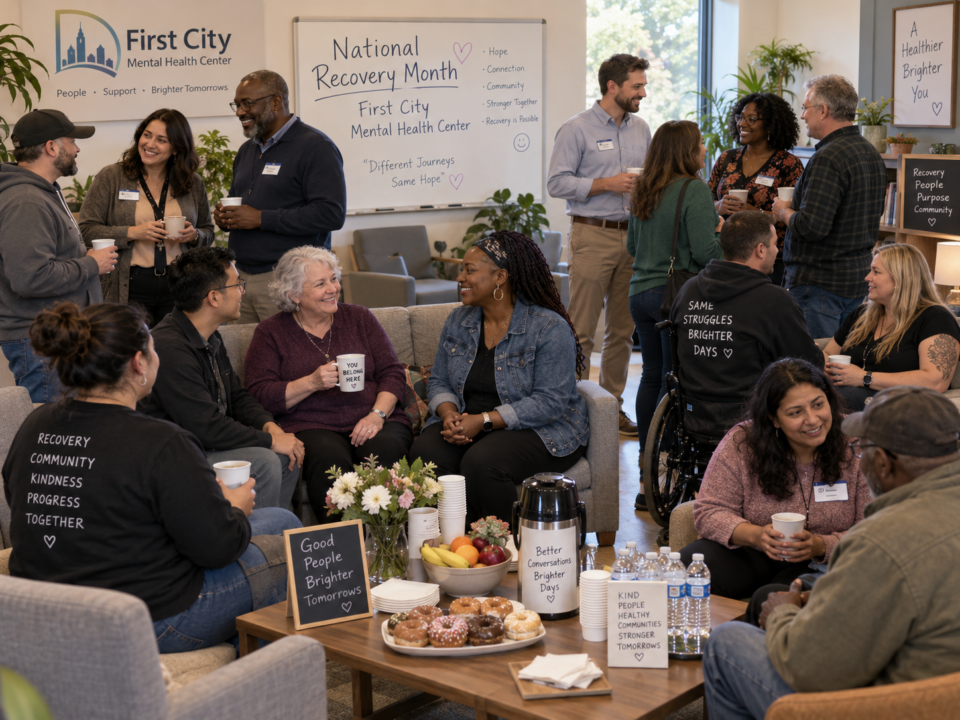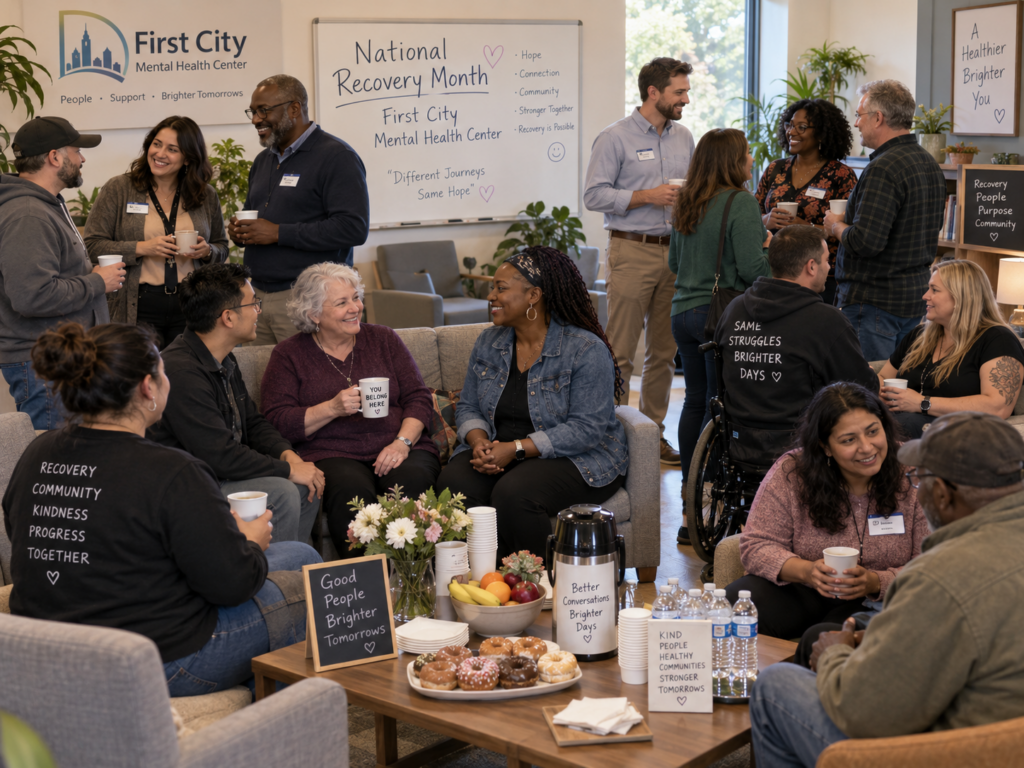

National Recovery Month: What Recovery and Sobriety Can Look Like
September 14, 2026
Am I Depressed? A Free Depression Test &What Your Score Means
October 5, 2026
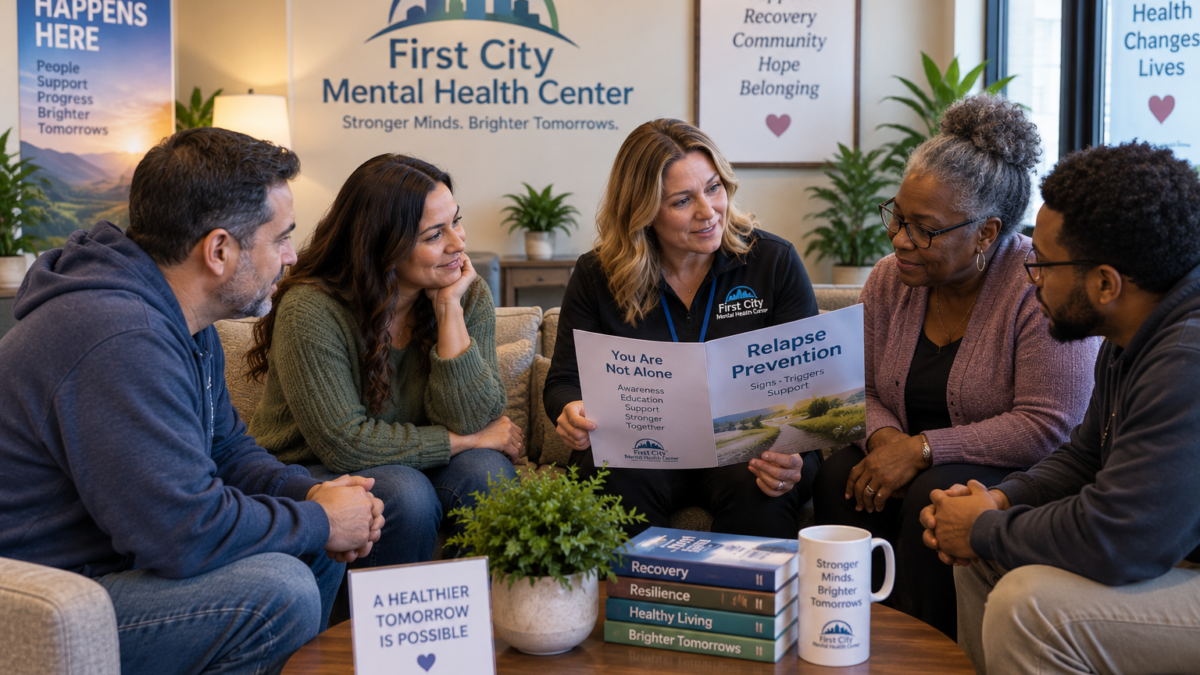
Recovery is an ongoing process, and it does not always follow a straight line. Stress, cravings, difficult emotions, changes in routine, pain, and other challenges can arise even when someone has been doing well for a long time. Experiencing these challenges does not erase the progress a person has made.
Relapse prevention focuses on recognizing changes early and having a plan for responding before risk increases. That may mean noticing changes in sleep or routines, reconnecting with supportive people, leaving a high-risk situation, or contacting a behavioral health professional.
September offers a particularly relevant time for these conversations. National Recovery Month is observed each September to promote recovery and evidence-based treatment and support practices. September is also Pain Awareness Month, drawing attention to pain and its effects on people’s lives. For people navigating both chronic pain and substance use recovery, coordinated, individualized care can be especially important.
This guide from First City Mental Health Center explains warning signs to watch for, common relapse triggers, how to create a practical prevention plan, and when additional support may be appropriate.
What Is Relapse Prevention?
Relapse prevention is a personalized approach to recognizing situations, thoughts, feelings, and behaviors that may increase the likelihood of returning to substance use—and deciding ahead of time how to respond.
Recovery itself is highly individual. SAMHSA describes recovery as a process of change through which people improve their health and wellness, live self-directed lives, and work toward their potential. It may involve clinical treatment, peer or family support, medications when appropriate, self-care, faith-based resources, or other approaches.
A relapse prevention plan follows the same individualized principle. Depending on the person, it might identify:
- Personal warning signs
- Known relapse triggers
- Established coping strategies
- Supportive people to contact
- Recovery meetings or peer resources
- Counselors and other healthcare professionals
- Steps to take if cravings or other risks become harder to manage
- Emergency and crisis resources
Family members can sometimes support this process, particularly when the person in recovery chooses to share their plan. Support should still respect the person’s privacy, boundaries, and ability to make decisions about their own recovery.
Why a relapse prevention plan matters
Stress can make it harder to decide what to do in the moment. A written or clearly understood plan provides options that have already been considered.
It can also help someone identify patterns. For example, isolation by itself may not signal an imminent return to substance use. But isolation combined with worsening sleep, increased cravings, and disengagement from recovery support may indicate that it is time to check in with a counselor or another trusted support.
A relapse prevention plan should answer two questions: “What tells me I’m struggling, and what will I do next?”
What Are the Warning Signs of Relapse?
Warning signs of relapse are not identical for everyone, and a single behavior does not mean that someone will return to substance use. It is more useful to pay attention to changes from the person’s usual patterns and to combinations of signs that develop over time.
Emotional and behavioral warning signs
Potential changes may include:
Signs to Pay Attention To
- Increasing isolation from supportive people
- Significant changes in everyday routines
- Pulling away from counseling, peer support, meetings, or other established recovery activities
- Increasing difficulty managing stress
- Frequently thinking or talking about previous substance use in an idealized way
- Returning to environments or relationships strongly connected with previous substance use
- Becoming less engaged with an established recovery plan
- Changes in sleep or self-care
- Increasing cravings or preoccupation with substances
- Avoiding people who might notice that something has changed
These signs need context. Someone might miss a meeting because of work, withdraw socially because they need rest, or experience sleep problems for reasons unrelated to substance use.
When warning signs begin to build
Patterns deserve more attention than isolated incidents. If several warning signs occur together, persist, or become more intense, checking in with support may be appropriate.
For family members, observation is generally more constructive than accusation. Instead of assuming you know what is happening, describe what you have noticed and invite conversation.
For example: “I’ve noticed you’ve been keeping to yourself and haven’t been going to some of the things that usually support your recovery. How have you been doing lately?”
This leaves room for the person to explain what they are experiencing without treating relapse as a foregone conclusion.
Common Relapse Triggers—and How to Prepare for Them
A trigger is something that increases cravings, distress, or vulnerability to returning to substance use. Triggers can be emotional, social, physical, or environmental, and they differ considerably between individuals.
Emotional, social and environmental triggers
Common examples can include:
- High levels of stress
- Interpersonal conflict
- Loneliness or prolonged isolation
- Major life changes
- Difficult emotions
- Sleep disruption
- People or places connected with previous substance use
- Celebrations or social settings where alcohol or other substances are present
- Anniversaries or emotionally significant dates
- Changes in work, finances, relationships, or housing
Identifying a trigger is only part of relapse prevention. The next question is: What response would reduce risk when this happens?
| Potential trigger | Possible early response |
|---|---|
| Stress | Contact a support person and use an established coping strategy |
| Isolation | Reconnect with supportive people or a recovery community |
| High-risk social setting | Make an exit plan or choose another activity |
| Disrupted routine | Re-establish helpful sleep, meal, treatment, or meeting routines |
| Pain | Discuss an individualized plan with qualified healthcare professionals |
These are examples rather than universal prescriptions. What helps one person may not be appropriate for another.
Pain as a potential recovery challenge
Pain deserves particular attention during September’s Pain Awareness Month. Chronic or recurring pain can affect sleep, mood, stress levels, mobility, relationships, and everyday functioning. NIH has described chronic pain as a complex condition with potentially broad effects on individuals and families.
For someone with a history of substance use problems, pain management should be individualized rather than avoided or handled alone. SAMHSA guidance has specifically addressed the need to manage chronic pain in people who have substance use disorders or are in recovery.
A qualified healthcare professional should know about both the person’s pain and relevant substance-use history so the risks, benefits, and available treatment approaches can be considered together. This article does not provide medication or pain-treatment recommendations.
How to Build a Practical Relapse Prevention Plan
A relapse prevention plan does not have to be complicated. Its purpose is to turn general intentions such as “I’ll reach out if things get bad” into specific, realistic actions.
Step 1: Know your personal warning signs
Think about changes that have previously occurred when recovery became more difficult. These might involve thoughts, emotions, cravings, relationships, routines, sleep, or withdrawing from support.
The most useful signs are your signs—not simply items taken from a general checklist.
Step 2: Identify your triggers
Consider situations that have historically increased stress or cravings. These might include certain people or environments, conflict, loneliness, pain, financial problems, anniversaries, celebrations, work stress, or other circumstances.
Triggers can change, so this list should be revisited periodically.
Step 3: Decide what you’ll do when a trigger appears
Give each major trigger at least one realistic response.
Depending on the person’s established recovery plan, that could include calling a trusted support person, leaving a high-risk environment, attending a peer-support meeting, returning to helpful routines, or contacting a counselor or treatment professional.
The goal is not to guarantee sobriety. It is to make safer, supportive choices easier to access when risk increases.
Step 4: Build a support list
Write down people and resources you would feel comfortable contacting. That might include trusted family members, friends, peers in recovery, a sponsor or mentor, counselors, healthcare professionals, treatment providers, or community resources.
Include more than one option when possible so the plan does not depend entirely on a single person being available.
Step 5: Review the plan regularly
A relapse prevention plan should change when life changes. A new job, relationship, health condition, living environment, pain problem, or stressor may introduce different challenges.
Reviewing the plan periodically also gives you an opportunity to notice which supports have been most useful.
How Family Members Can Help Someone Who May Be Struggling
Watching someone you care about struggle with recovery can bring worry, frustration, and uncertainty. You can offer meaningful support without taking responsibility for controlling another person’s recovery.
Start with concern, not accusation
Begin with something specific you have observed instead of labeling the person’s behavior.
You might say: “I’ve noticed you haven’t seemed like yourself lately. How are you doing with your recovery?”
Then listen. Open-ended questions can make room for an honest answer, while accusations or shame may make communication harder.
You can also ask what kind of support would actually be helpful. The answer may be different from what you expected.
Support recovery without trying to control it
A loved one can encourage treatment, offer transportation, attend an appropriate family program, help maintain agreed-upon boundaries, or simply be available to listen. But one person cannot manage another adult’s recovery for them.
If your loved one is comfortable sharing parts of their relapse prevention plan, learn what they want you to do when warning signs emerge. Know which professionals or resources are appropriate to contact in urgent situations.
Caregivers and family members may need their own support as well. Counseling, family education, or peer support can help relatives maintain healthy boundaries and manage the emotional demands that sometimes accompany supporting someone in recovery.
How Sober Living Homes Can Support Recovery
Sober living homes, often discussed more broadly as recovery housing, provide substance-free living environments intended to support recovery. They can help people wondering how to stay sober. Depending on the setting, they may offer peer support, routines, accountability, community connections, and links to other services.
SAMHSA identifies a stable, safe home as one of the major dimensions of recovery and describes recovery housing as a potentially valuable resource within a broader recovery journey.
However, sober living is not the same as clinical treatment. Services and levels of structure vary significantly between residences. A sober living home also is not necessary or appropriate for every person.
When comparing recovery housing options, consider:
- What level of structure is provided?
- What are the residence’s substance-use policies?
- What peer or professional supports are available?
- How are safety and resident rights addressed?
- Is the setting appropriate for the person’s clinical and recovery needs?
- How does the residence connect people with outside treatment when needed?
A licensed treatment professional can help someone consider how housing fits into a broader recovery plan.
National Recovery Month: Why September Matters
National Recovery Month has been observed every September since 1989. SAMHSA describes it as an opportunity to promote evidence-based treatment and recovery practices while recognizing people in recovery and the communities and service providers that support them.
In 2026, SAMHSA’s Recovery Month materials emphasize community and connection, wellness, multiple pathways to recovery, and youth and family recovery. They also reinforce an important point: recovery is not one-size-fits-all.
That makes September a useful opportunity for practical action rather than awareness alone.
Someone in recovery might revisit a relapse prevention plan or reconnect with a support that has fallen away. A family member might check in without judgment. Someone living with chronic pain might speak with their healthcare team about whether their pain-management and recovery needs are being addressed together.
This September: Review your relapse prevention plan, reconnect with your support network, and check in with someone in recovery.
Pain Awareness Month provides another reason to recognize that physical health cannot always be separated neatly from behavioral health. Recovery support works best when the whole person’s circumstances are considered.
What People Often Get Wrong About Relapse Prevention
One misconception is that relapse prevention is simply about having enough willpower to refuse substances. Substance use disorders are complex health conditions, not evidence of weak character or poor morals.
Another misconception is that a relapse prevention plan eliminates the possibility of returning to substance use. No plan can guarantee that outcome. Instead, planning can help someone recognize risk and identify actions and resources to use when recovery becomes more difficult.
It is also important not to assume that every difficult day or craving means relapse is inevitable. Warning signs are information. They can provide an opportunity to reassess needs, strengthen support, and seek professional guidance.
When Comparing Treatment and Recovery Support, What Should You Look For?
If warning signs are increasing, it may be useful to reassess whether the current level of support still fits the person’s needs.
Questions to consider include:
- Are appropriately licensed or credentialed professionals involved?
- Is care individualized rather than based on a one-size-fits-all approach?
- Can the provider address co-occurring mental health concerns?
- How are medical issues and chronic pain coordinated with behavioral health care?
- Are family or peer supports available when appropriate?
- Is there a plan for ongoing recovery support?
- Does the program explain what happens if someone’s needs change?
Treatment effectiveness and appropriate levels of care vary by person. A licensed clinician can conduct an assessment and help determine which services may be appropriate.
When to Seek Additional Support
Consider contacting a behavioral health or healthcare professional when cravings become more difficult to manage, several warning signs appear together, or someone begins withdrawing from established recovery support.
Additional help may also be appropriate following a return to substance use or when mental health symptoms, chronic pain, relationship problems, housing concerns, or other life stressors are making recovery harder.
Seeking support earlier gives the person and their care team an opportunity to reassess what has changed and whether additional or different services are needed.
Readers who want to explore behavioral health and recovery support can learn more through First City Mental Health Center.
A return to substance use can also create medical risks, including overdose risk. If someone may be experiencing an overdose, has lost consciousness, cannot be awakened, has difficulty breathing, or is otherwise experiencing a medical emergency, call 911 or local emergency services immediately.
For emotional distress, suicidal thoughts, mental health concerns, or substance-use-related crisis support in the United States, the 988 Suicide & Crisis Lifeline is available by calling or texting 988. It provides free, confidential support 24/7/365.
Recovery Is Built One Step at a Time
Relapse prevention is not about predicting every challenge. It is about understanding personal patterns well enough to recognize when more support may be needed.
Know your warning signs. Identify your triggers. Decide what actions you can take when risk increases. Keep supportive people and professional resources within reach. And when pain, mental health concerns, or other life circumstances change, revisit the plan rather than assuming the same approach will always fit.
National Recovery Month and Pain Awareness Month offer an opportunity to have these conversations openly and without judgment. Recovery can take different forms, and support needs can change over time.
If maintaining recovery has become more difficult, consider discussing those changes with a licensed behavioral health professional who can help evaluate your individual needs and available options.
Relapse Prevention Plan Checklist
○ My early warning signs: ___________________
○ My main triggers: ___________________
○ When I notice these signs, I will: ___________________
○ People I can contact for support: ___________________
○ Recovery or community resources I can use: ___________________
○ My counselor, treatment provider, or healthcare professional: _________________
○ Healthy routines I want to return to: ___________________
○ High-risk situations I may need to leave or avoid: ___________________
○ Healthy routines I want to return to: ___________________
○ If my cravings or relapse risk increases, my next step is: ___________________
○ If I feel unsafe or experience an emergency, I will: ___________________
Learn More About Recovery Support
Frequently Asked Questions
What is a relapse prevention plan?
A relapse prevention plan identifies personal warning signs and triggers, actions someone can take when risk increases, and people or professional resources they can contact. Plans should be individualized and reviewed as circumstances change.
What are common warning signs of relapse?
Possible warning signs include increasing isolation, changes in routines, disengagement from recovery support, difficulty managing stress, increasing cravings, romanticizing previous substance use, and returning to high-risk environments. One sign alone does not mean relapse will occur.
What are common relapse triggers?
Stress, conflict, isolation, difficult emotions, disrupted sleep, major life changes, social settings involving substances, and people or places connected with previous substance use may act as triggers. Individual triggers vary.
How can family members help prevent relapse?
Family members can notice changes, communicate concerns without accusation, listen, encourage appropriate professional or peer support, and respect healthy boundaries. They cannot control another person’s recovery.
Can chronic pain affect addiction recovery?
Chronic pain can affect sleep, mood, stress, functioning, and quality of life. People who have both pain and a history of substance use concerns may benefit from individualized, coordinated care that addresses both issues. Medication and pain-treatment decisions should be made with qualified healthcare professionals.
Are sober living homes the same as addiction treatment?
Not necessarily. Sober living or recovery housing primarily provides a substance-free, recovery-supportive living environment, while clinical treatment involves professional therapeutic or medical services. Services differ among residences, so people should evaluate individual programs carefully.