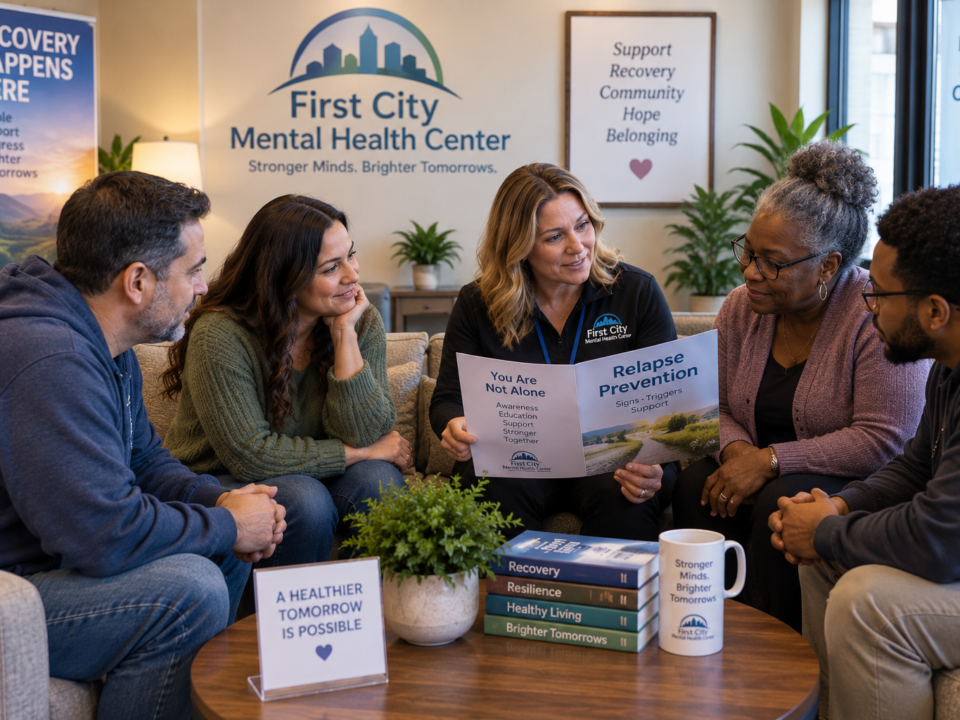

Relapse Prevention Plan: Warning Signs, Triggers and Support
September 22, 2026
OCD Symptoms: More Than Just Wanting to Be Neat
October 12, 2026

If you haven’t felt like yourself lately, you may be wondering, “Am I depressed?”
Maybe you have been feeling sad, tired, overwhelmed, or disconnected. Perhaps things you normally enjoy do not feel the same anymore. You may be sleeping more or less than usual, struggling to focus, feeling more emotional, or simply sensing that something is not quite right.
These feelings can be difficult to understand, especially when you are trying to handle them on your own.
A depression screening can be a helpful first step. It gives you a chance to slow down, think about how you have been feeling, and notice symptoms you may not have paid much attention to before.
A depression test cannot diagnose depression. Only a qualified mental health professional can do that. However, a screening can help you better understand what you are experiencing and decide whether it may be helpful to talk with someone.
Take a Free Depression Screening
The screening commonly used for depression is called the PHQ-9.
It includes nine questions about how you have been feeling during the past two weeks.
For each question, choose the answer that best describes your experience:
- Not at all — 0 points
- Several days — 1 point
- More than half the days — 2 points
- Nearly every day — 3 points
[INTERACTIVE MODULE: Insert the standardized 9-item PHQ-9 here.]
The official PHQ-9 questions should remain exactly as written.
Once you complete the screening, your answers are added together to create a score between 0 and 27.
Remember, your score is information. It is not a diagnosis, and it does not define who you are.
What Does My Depression Test Score Mean?
Your score can give you a general idea of how often you have been experiencing symptoms associated with depression.
The usual PHQ-9 score ranges are:
- 0–4: None or very few symptoms
- 5–9: Mild symptoms
- 10–14: Moderate symptoms
- 15–19: Moderately severe symptoms
- 20–27: Severe symptoms
These numbers are meant to help you understand your answers.
For example, a result may say:
“Your answers fall within the moderate symptom range.”
It should not tell you:
“You have moderate depression.”
A screening tool cannot make that determination.
A mental health professional can look beyond a number and talk with you about what is happening in your life, how long you have been feeling this way, and how your symptoms are affecting you.
Other things can also cause symptoms that feel similar to depression, including stress, grief, trauma, sleep problems, physical health conditions, medication changes, substance use, and other mental health concerns.
Two people can receive the same score and still have very different experiences.
Am I Depressed? Signs You May Notice
Depression does not look or feel the same for everyone.
For some people, sadness is the first thing they notice. Others may feel tired, irritable, disconnected, restless, numb, or uninterested in things they normally enjoy.
Some common symptoms can include:
- Feeling sad, empty, or down
- Losing interest in activities you normally enjoy
- Feeling tired or having very little energy
- Sleeping much more or much less than usual
- Eating more or less than you normally do
- Having trouble concentrating
- Finding it harder to make decisions
- Feeling unusually guilty or worthless
- Feeling restless or slowed down
- Pulling away from friends or family
- Having thoughts about death or hurting yourself
You may also notice that everyday life feels harder than it used to.
Work, school, relationships, responsibilities, or even simple daily tasks may start to feel overwhelming.
If that is happening, it is worth paying attention to.
A Depression Test Is a Starting Point, Not a Label
One of the most important things to understand about a depression screening is that it does not provide a simple yes-or-no answer.
It is a tool that helps you recognize patterns in how you have been feeling.
A higher score does not automatically mean you have depression.
A lower score does not automatically mean everything is okay either.
If you do not feel like yourself, your feelings still matter regardless of the number on a screening.
You do not need to reach a certain score before talking with someone.
Think of your results as one piece of information that may help you decide what to do next.
Depression and Other Signs of Mental Illness
Some symptoms of depression can also occur with other mental health concerns.
These may include anxiety, trauma-related conditions, bipolar disorder, grief, sleep disorders, substance use disorders, and some physical health conditions.
Other signs of mental illness may include:
- Major changes in mood
- Avoiding friends or family
- Changes in sleeping or eating habits
- Difficulty keeping up with everyday responsibilities
- Ongoing fear or anxiety
- Increased alcohol or drug use
- Feeling unable to cope
- Thoughts about hurting yourself
Because symptoms can overlap, it can be difficult to understand exactly what is happening without talking with a professional.
A mental health professional can listen to what you are experiencing and look at the bigger picture rather than focusing only on one symptom or test score.
Mental Illness Awareness Week: Why It Matters
Mental Illness Awareness Week is October 4–10, 2026.
The 2026 theme is “Turning Science Into Hope.”
Mental Illness Awareness Week is important because it encourages open conversations about mental health while helping reduce the fear and stigma that can sometimes prevent people from asking for help.
It is also a reminder that mental health conditions are health concerns. They deserve care, understanding, and compassion.
Research continues to help professionals better understand mental health and find better ways to support people who are struggling.
But awareness is about more than research.
It is also about reminding people that they do not have to hide how they are feeling.
Sometimes simply saying, “I haven’t been feeling like myself lately,” can be the beginning of getting the support you need.
National Depression Screening Day: A Chance to Check In With Yourself
National Depression Screening Day is Thursday, October 8, 2026.
This day encourages people to take a few moments to think about their emotional well-being.
We often schedule checkups for our physical health, but our mental health deserves attention too.
A depression screening can help you notice changes in your mood, energy, sleep, motivation, or ability to manage daily life.
It may also help you recognize that symptoms you have been trying to push through deserve more attention.
National Depression Screening Day is a helpful reminder to check in with yourself, but you do not need to wait for a certain day of the year to ask for help.
If you are struggling today, today is a good time to reach out.
When Should I Talk to Someone About Depression?
You do not have to wait until things become unbearable before talking to someone.
Consider reaching out to a licensed mental health professional if:
- Your symptoms are continuing
- You are feeling worse instead of better
- Work or school has become more difficult
- Your relationships are being affected
- You are avoiding people you care about
- Your sleeping or eating habits have changed
- You feel overwhelmed by everyday responsibilities
- You are using alcohol or drugs to cope
- Things that normally help you feel better are no longer helping
- You are worried about your mental health
Even if your depression screening score is low, you can still ask for support.
Your feelings do not have to reach a certain level before they deserve attention.
If you would like to learn more about available mental health support, visit First City Mental Health.
What Happens When You Ask for Help?
For many people, reaching out can feel intimidating because they do not know what will happen next.
Usually, the first step is simply a conversation.
A mental health professional may ask about:
- How you have been feeling
- How long you have felt this way
- How often symptoms happen
- Changes in your sleep or appetite
- Stress in your life
- Your physical and mental health history
- Medications you take
- Alcohol or drug use
- Past mental health treatment
- Major life changes
- How symptoms are affecting your daily life
- Whether you feel safe
These questions are meant to help the professional understand what you are experiencing as a whole person.
Your care should never be based only on your depression test score.
Depression and Substance Use Can Sometimes Happen Together
Mental health concerns and substance use can sometimes occur at the same time.
A person who feels depressed, anxious, overwhelmed, or emotionally exhausted may begin using alcohol or drugs as a way to cope.
It may provide temporary relief, but substance use can sometimes make emotional symptoms harder to manage over time.
It can also make it more difficult to understand what may be causing certain feelings or behaviors.
If both mental health symptoms and substance use are affecting your life, it is important to be open about both when speaking with a healthcare professional.
The goal is not judgment.
The goal is to understand what you are experiencing so you can receive appropriate support.
Important Safety Information
One of the questions on the PHQ-9 asks about thoughts of death or hurting yourself.
If you answer anything other than “Not at all” to that question, please take those feelings seriously.
A depression screening cannot determine whether you are in immediate danger.
If you are in the United States and you are thinking about suicide, hurting yourself, or feel that you may not be safe, call or text 988 to reach the 988 Suicide & Crisis Lifeline.
The 988 Lifeline provides free and confidential crisis support.
If you believe you are in immediate danger or need emergency medical attention, call 911 or go to the nearest emergency room.
You do not need to wait for a screening result before asking for help.
Frequently Asked Questions About Depression Screening
Can a depression test tell me if I have depression?
No.
A depression test can help identify symptoms and show how often you have experienced them, but it cannot diagnose depression.
A qualified mental health professional considers many things, including your symptoms, how long they have been happening, how they affect your life, your health history, and other possible causes.
What is the PHQ-9?
The PHQ-9 is a commonly used depression screening tool.
It contains nine questions asking how often you have experienced certain symptoms during the previous two weeks.
Each response receives between 0 and 3 points, creating a total score between 0 and 27.
What if my score is low but I still don’t feel okay?
You can still reach out for help.
A screening cannot understand everything happening in your life.
If you are worried about your mood, behavior, relationships, ability to manage daily life, substance use, or overall well-being, consider speaking with a mental health professional.
A low score does not make your feelings less important.
What if my score is high?
A higher score means that you reported experiencing certain symptoms more often.
It does not automatically mean you have depression.
Consider sharing your results with a qualified mental health professional who can help you understand what may be contributing to your symptoms.
Can depression and substance use happen together?
Yes.
Depression and substance use can occur together, and each may make the other harder to manage.
A professional assessment can help you understand what may be happening and what type of support could be helpful.
Do I have to wait until I feel really bad before asking for help?
No.
You can ask for help whenever you feel that something is changing or becoming difficult to manage.
Early support may help you better understand what you are experiencing before symptoms become more disruptive.
What should I do if I’m thinking about hurting myself?
If you are in the United States, call or text 988 to reach the 988 Suicide & Crisis Lifeline.
If you are in immediate danger or need emergency medical care, call 911 or go to the nearest emergency room.
Do not rely on a depression screening alone when there is an immediate safety concern.
Your Score Is Information, Not a Definition of Who You Are
Taking a depression screening can give you useful information about how you have been feeling over the past two weeks.
But you are much more than a number on a test.
Your score does not define you, and it does not diagnose you.
Consider your results along with how you have been feeling, how long the changes have lasted, whether everyday life is becoming harder, and whether you feel able to cope.
Most importantly, remember that you do not have to figure everything out by yourself.
As Mental Illness Awareness Week and National Depression Screening Day remind us, paying attention to our mental health is important. Asking for help can begin with something as simple as recognizing that you have not been feeling like yourself.
If you are concerned about your mental health or would like to learn more about support, visit First City Mental Health.
Sometimes the first step is simply starting the conversation.