
IOP in Indianapolis vs Inpatient Treatment
January 10, 2026
Inpatient vs. Outpatient Mental Health Treatment: Which Is Right for You?
January 14, 2026

Seeking inpatient mental health treatment can feel overwhelming—especially when you or a loved one is already struggling. If you’re in Indiana and trying to understand how admission works, what steps to take, or when inpatient care is truly necessary, this guide is here to help.
Inpatient mental health treatment is often provided in behavioral health settings and addresses both mental health and substance use challenges, offering comprehensive care for a range of needs.
Inpatient mental health treatment provides 24/7 care in a structured, supervised environment. It’s often the safest and most effective option during severe mental health crises. Below, we’ll walk through the entire admission process step by step, explain your options, and help you know what to expect at every stage.
Key Takeaways
- Inpatient mental health treatment provides round-the-clock care
It offers 24/7 medical supervision, therapy, and safety monitoring, making it the safest option during severe mental health crises. - Admission in Indiana can be voluntary or emergency-based
Patients may self-admit, be referred by a provider, or enter through emergency detention if they pose a risk to themselves or others. - Inpatient care is short-term but highly structured and goal-focused
The primary goal is stabilization and safety, followed by a clear discharge plan that transitions patients to outpatient or step-down care.
What Is Inpatient Mental Health Treatment?
Question: What is Inpatient Mental Health Treatment?
Answer: Inpatient mental health treatment is a higher level of psychiatric care where individuals stay at a licensed hospital or mental health facility and receive 24/7 supervision, medical monitoring, and therapeutic support. It is designed for people experiencing severe mental health symptoms that cannot be safely managed through outpatient therapy alone.
In Indiana, inpatient treatment may be voluntary or involuntary, depending on safety risks. Admission typically involves a professional mental health evaluation, insurance verification, and availability of inpatient beds. This level of care focuses on crisis stabilization, safety, medication management, and structured therapy, with discharge planning beginning early to ensure continuity of care after release.
How Does Inpatient Mental Health Admission Work in Indiana?
In Indiana, inpatient mental health admission typically occurs through a hospital-based psychiatric unit or a licensed mental health facility. Admission can be voluntary (you choose to enter treatment) or involuntary (when a person is deemed a danger to themselves or others).
Facilities should be licensed by the Indiana Family and Social Services Administration (FSSA) and accredited by recognized organizations for safety and quality.
The process usually begins with a mental health evaluation conducted by a licensed professional, such as:
- A psychiatrist
- A physician
- A licensed mental health facility
- Emergency room medical staff
A medical director often oversees the clinical team and ensures high standards of care during admission and treatment.
Based on this evaluation, the provider determines whether inpatient treatment is medically and clinically necessary. Factors include symptom severity, safety risks, and the person’s ability to function independently.
How to Start the Step-by-Step Admission Process for Inpatient Treatment
Getting admitted doesn’t have to be confusing. Here’s how the process usually works in Indiana. These steps are designed to support patients and ensure their safety and well-being:
Step 1: Recognize the Need for Help. This may come from worsening symptoms, safety concerns, or a recommendation from a therapist, doctor, or family member.
Step 2: Contact a Provider or Facility. You can start by:
- Calling a mental health treatment center directly
- Going to the nearest emergency room
- Contacting a primary care provider or psychiatrist
Step 3: Complete an Initial Assessment. A clinical assessment evaluates mental health symptoms, risk factors, medical history, and immediate safety needs. Upon arrival, a team assesses the patient, prioritizing immediate safety and symptom management, which may include medication adjustments.
Step 4: Insurance and Bed Availability Review. Facilities verify insurance coverage and confirm whether a bed is available.
Step 5: Admission Decision. If inpatient care is recommended and a bed is available, admission may happen the same day or shortly after.
How to Prepare Yourself or a Loved One Before Admission
Preparation can ease anxiety and make the transition smoother.
What to Bring:
- Photo ID and insurance card
- A list of current medications
- Emergency contact information
- Comfortable clothing (without drawstrings or metal, depending on facility rules)
What to Leave at Home:
- Sharp objects
- Alcohol or drugs
- Items restricted by the facility
Emotionally, it helps to reassure yourself or your loved one that inpatient treatment is a place for stabilization, safety, and support—not punishment.
When Should You Seek Inpatient Mental Health Treatment Instead of Outpatient Care?
Inpatient treatment is typically recommended when outpatient therapy or medication management is no longer enough.
You should consider inpatient care if someone is experiencing:
- Suicidal thoughts or behaviors
- Self-harm
- Severe depression or anxiety that prevents daily functioning
- Psychosis, hallucinations, or delusions
- Manic episodes
- Inability to care for basic needs
- Bipolar disorder with severe symptoms
Local mental health facilities in Kokomo offer structured programs designed to manage severe symptoms of depression, anxiety, PTSD, and bipolar disorder.
If safety is a concern, inpatient care provides constant monitoring and immediate intervention. Disorder treatment often involves medical supervision and medication management for conditions like bipolar disorder.
Inpatient mental health treatment focuses on stabilization and developing coping skills before transitioning back to daily life.
When Is Emergency Admission Needed in Indiana—and What Happens Next?
Emergency admission is necessary when there is immediate danger.
This may involve:
- Calling 911
- Going to an emergency room
- Being transported by emergency medical services
In Indiana, a person may be placed on an emergency detention if clinicians believe they pose a serious risk to themselves or others. This allows temporary hospitalization while further evaluations are completed.
After emergency admission:
- A psychiatric evaluation is conducted
- A treatment plan is created
- Legal timelines are followed if involuntary care is involved
Why Choosing Inpatient Treatment Can Be the Safest Path to Recovery
Inpatient mental health treatment offers benefits that outpatient care cannot during a crisis:
- 24/7 medical and psychiatric supervision
- Immediate medication adjustments
- Structured daily routines
- Individual and group therapy
- A safe, substance-free environment
A typical stay for stabilization in inpatient mental health treatment lasts 5 to 10 days, with longer programs extending to 30-90 days based on individual needs. Comprehensive care includes access to a multidisciplinary team, such as psychiatrists and therapists, and personalized treatment plans. Inpatient mental health treatment includes a structured routine with daily schedules for therapies, medical checks, and recreation. Inpatient treatment often includes family therapy to involve loved ones in the recovery process.
Most importantly, inpatient care prioritizes stabilization and safety, creating a foundation for long-term recovery. These programs are designed to treat a wide range of mental health and substance use issues through evidence-based therapies and medical support.
What Requirements, Forms, and Evaluations Are Needed for Admission?
Admission typically involves several standard requirements:
- A mental health evaluation
- Medical screening
- Consent forms (or legal documentation for involuntary admission)
- Insurance authorization
Facilities may also request prior treatment records or referrals, though emergency admissions can proceed without them.
Understanding Insurance and Cost for Inpatient Mental Health Treatment in Indiana
When considering inpatient mental health treatment in Indiana, understanding the cost and insurance coverage is a crucial step in making an informed decision. The expenses for mental health treatment can vary based on the treatment facility, the length of stay, and the specific services required to address mental health disorders such as post traumatic stress disorder, borderline personality disorder, or obsessive-compulsive disorder.
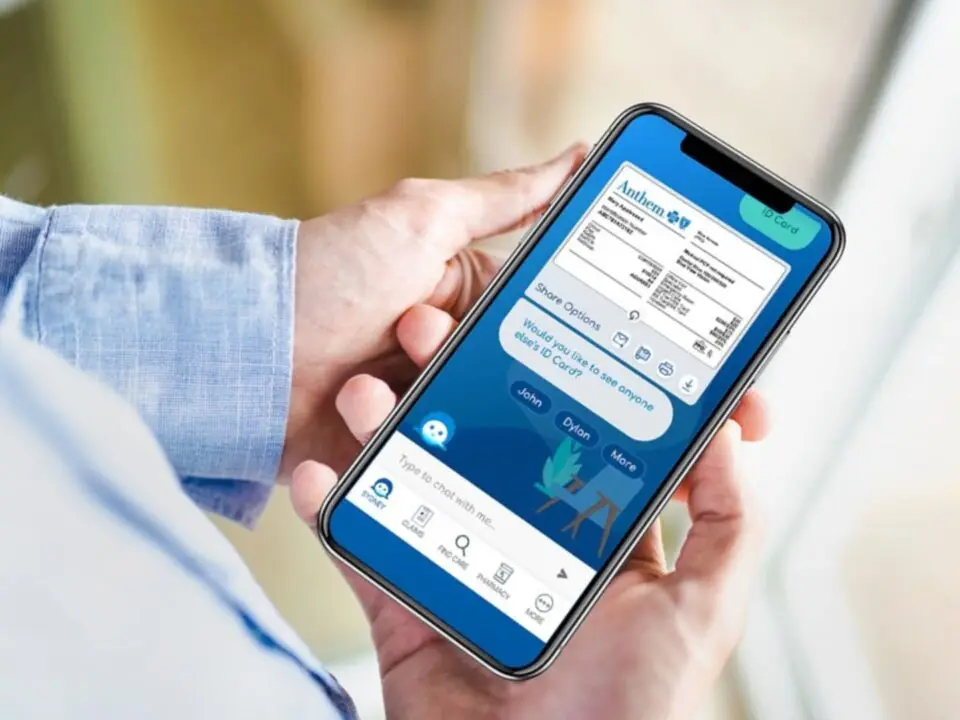
First City Mental Health Center, a leading city recovery center in Indiana, is committed to making mental health treatment accessible. The center accepts a wide range of insurance plans, including Cigna, Aetna, BCBS, United Healthcare, and Optum. However, because insurance coverage can vary based on your individual plan and the type of services needed, it’s important to contact the treatment facility directly to verify your benefits and understand any out-of-pocket costs before beginning treatment.
At First City Mental Health in Kokomo, Indiana, a multidisciplinary team—including mental health counselors, medical directors, and social workers—works together to provide comprehensive care for adults facing mental health conditions and co-occurring disorders. The center offers a full continuum of care, from medical detox and residential programs to outpatient services and visible recovery support. This approach ensures that individuals receive the right level of care for their unique needs, whether they are dealing with depression, anxiety, substance use, or dual diagnosis.
Inpatient mental health treatment at First City Mental Health in Kokomo includes daily care in a secure, structured environment, with access to medication management, group therapy, dialectical behavioral therapy, experiential therapy, and cognitive behavioral therapy.
The mental health treatment facility in Indiana is accredited by the Joint Commission, ensuring high standards of medical care, psychiatric care, and support for physical well-being. The center’s team is experienced in treating a wide range of mental health issues, including traumatic stress disorder, chronic relapse, and suicidal thoughts.
When exploring your options, consider the risk factors and common symptoms associated with mental health conditions, as well as the types of therapy and support offered. Comparing different treatment facilities in Indiana can help you determine which center best fits your needs and insurance coverage. First City Mental Health Kokomo IN commitment to a secure environment, daily life skills training, and ongoing outpatient program support helps individuals and their loved ones navigate the recovery process with confidence.
Understanding the financial aspects of inpatient care allows you to focus on what matters most—your recovery and well-being. By researching insurance coverage, treatment options, and the services provided by facilities like First City Mental Health Center, you can take the first step toward visible recovery and a healthier future.
What to Expect After You’re Admitted—and How to Get the Right Support
Once admitted, the focus shifts to care and stabilization.
You can expect:
- A full psychiatric and medical evaluation
- A personalized treatment plan
- Daily therapy sessions
- Medication management
- Discharge planning from the start
Before discharge, the care team helps arrange:
- Outpatient therapy or IOP/PHP programs
- Medication follow-ups
- Community or family support resources
This ensures continuity of care after leaving inpatient treatment.
Conclusion
Getting admitted to inpatient mental health treatment in Indiana may feel intimidating, but the process exists to protect, stabilize, and support people during their most vulnerable moments.
Whether admission is voluntary or emergent, inpatient care can be a critical step toward recovery—offering safety, structure, and professional support when it’s needed most. If you or someone you love is struggling, reaching out for help today can make all the difference.
You don’t have to navigate this alone.