
How to Get Admitted to Inpatient Mental Health Treatment in Indiana (Step-by-Step Guide)
January 14, 2026
How Much Does Inpatient Mental Health Treatment Cost in Indiana?
January 15, 2026

Choosing the right level of mental health care can feel overwhelming—especially when symptoms are affecting daily life, safety, or relationships. Many people find themselves deciding between inpatient and outpatient mental health treatment without fully understanding how each option works or which one best fits their situation.
Both treatment types are effective, but they serve different needs. This guide breaks down the key differences, explains when each option is appropriate, and helps you take the next step toward recovery with confidence.
Key Takeaways
- Outpatient mental health treatment allows recovery while maintaining daily life
Patients live at home and attend therapy or structured programs, making outpatient care ideal for managing stable symptoms with ongoing professional support. - Inpatient care is necessary when safety or severe symptoms are present
When there is risk of self-harm, psychosis, or inability to function, inpatient treatment provides immediate stabilization and 24/7 supervision. - The right level of care depends on symptoms, safety, and support systems
A professional mental health evaluation is the best way to determine whether inpatient or outpatient treatment will offer the most effective path to recovery.
What is Outpatient Mental Health Treatment?
Question: What is Outpatient Mental Health Treatment?
Answer: Outpatient mental health treatment refers to various forms of psychiatric care and therapy where patients do not stay overnight at a facility. Instead, individuals live at home and attend scheduled appointments or sessions at a clinic, hospital, or private practice.
This model is designed for people who are medically stable and do not require 24/7 supervision but still need professional support to manage symptoms of conditions like depression, anxiety, PTSD, or bipolar disorder.
Understanding Mental Health Disorders
Mental health disorders can deeply affect every aspect of a person’s daily life, from relationships and work to overall well-being. Conditions such as post-traumatic stress disorder (PTSD), bipolar disorder, and borderline personality disorder often bring unique challenges that require specialized care. At First City Mental Health Center, we understand that no two patients are alike, which is why our mental health program is built around individualized treatment programs tailored to each person’s needs.
Our team at First City Mental Health Center uses a blend of evidence-based therapies—including cognitive behavioral therapy, dialectical behavioral therapy, and experiential therapy—to help patients manage symptoms and address the root causes of their mental health disorders. For those struggling with traumatic stress disorder or traumatic stress disorder PTSD, our structured environment provides a safe space to heal and learn new coping skills. We also offer medication management and medical detox services, ensuring that patients receive comprehensive support throughout their recovery journey.
By focusing on both the psychological and physical aspects of mental health, First City Mental Health in Kokomo empowers patients to take control of their recovery. Our goal is to help individuals achieve long-term recovery, improve their daily life, and build a foundation for lasting health and wellness.
What Is Outpatient Mental Health Treatment?
Question: What is Outpatient Mental Health Treatment?
Answer: Outpatient mental health treatment is a form of care that allows individuals to live at home while attending scheduled therapy sessions, medication management appointments, or structured programs such as Intensive Outpatient Programs (IOP) or Partial Hospitalization Programs (PHP). Outpatient mental health treatment in Indianapolis in 2026 provides care for conditions such as depression, anxiety, PTSD, and substance use disorders, and is suitable for those with co-occurring disorders.
Unlike inpatient care, outpatient treatment does not require overnight stays and is best suited for individuals whose symptoms are stable, manageable, and do not pose immediate safety risks.
Outpatient levels of care include standard outpatient therapy, intensive outpatient programs, and partial hospitalization programs. Standard Outpatient Therapy consists of weekly or bi-weekly sessions for individual, group, or family counseling. Many outpatient programs provide individualized treatment programs and include group therapy for peer support from others experiencing similar challenges.
Outpatient care can address both mental health and substance use disorders, often through integrated approaches for co-occurring disorders.
When comparing inpatient vs. outpatient mental health treatment, the primary difference lies in the level of supervision and intensity. Inpatient care provides 24/7 monitoring and is used for crisis stabilization, while outpatient care focuses on long-term symptom management, flexibility, and integrating a structured treatment program into daily life. Choosing the right level of care depends on symptom severity, safety, and functional ability.
How Inpatient and Outpatient Treatment Differ and Impact Recovery?
The main difference between inpatient and outpatient mental health treatment is the level of care and supervision provided.
Inpatient treatment involves staying at a hospital or licensed treatment facility full-time. Care is highly structured and includes 24/7 monitoring, daily therapy, medication management, and medical oversight. For those needing intensive, round-the-clock support, residential programs are available as part of inpatient care, offering a comprehensive and supervised environment.
Outpatient treatment allows individuals to live at home while attending scheduled therapy sessions, medication appointments, or structured programs several times per week.
Because inpatient care removes outside stressors and provides constant support, it’s often used for stabilization. Outpatient care focuses on long-term management and integration into everyday life. Both approaches are important types of treatment programs and can significantly support recovery when matched correctly to a person’s needs. Our mental health facilities in Kokomo offer a full continuum of care, including detox, inpatient, outpatient, and sober living, to ensure every stage of recovery is supported.
How To Decide the Right Care Level Based on Symptoms and Needs?
The right level of care depends on symptom severity, safety, and functional ability.
You may need higher-level care if symptoms:
- Interfere with basic daily functioning
- Worsening despite outpatient therapy
- Create safety concerns
- Make it difficult to manage emotions, thoughts, or behaviors
The decision may also vary based on the presence of dual diagnosis or co-occurring disorders, as integrated treatment approaches are often necessary in these cases.
Outpatient care may be appropriate if symptoms are manageable, support systems are strong, and daily responsibilities can still be met.
A mental health professional can assess your situation and recommend the most appropriate level of care based on clinical needs—not just diagnosis. The amount you are responsible for paying can vary based on the type of insurance plan you have, so it is important to verify your insurance benefits.
When Is Inpatient Care Necessary for Safety and Stability?
Inpatient mental health treatment is often necessary when safety becomes a concern or symptoms are severe.
This may include:
- Suicidal thoughts or attempts
- Self-harm behaviors
- Severe depression or anxiety
- Psychosis, hallucinations, or delusions
- Manic episodes or extreme mood instability
- Inability to care for basic needs
In many cases, inpatient care begins with a stabilization period at a high acuity center, where individuals receive intensive support and monitoring. After stabilization, patients may transition to a residential level of care as they continue their recovery.
In these situations, inpatient care provides immediate intervention, continuous monitoring, and a controlled environment that prioritizes safety and stabilization. Medical care, including management of withdrawal symptoms, is provided for those with substance use or addiction issues to ensure safety and improve treatment outcomes.
Partial hospitalization programs are designed for those suffering from serious mental health conditions who need a higher level of care but do not require around-the-clock monitoring. These programs provide many of the same services as inpatient treatment without requiring you to live at the facility.
When Does Outpatient Treatment Work Best and Help You Stay on Track?
Outpatient mental health treatment works best when symptoms are moderate, stable, and manageable. Outpatient programs are also effective for individuals managing addiction or substance use issues, especially when symptoms are stable.
It’s often effective for individuals who:
- Are not a danger to themselves or others
- Can maintain work, school, or family responsibilities
- Have strong social or family support
- Are motivated to engage consistently in treatment
Outpatient options may include individual therapy, group therapy, medication management, intensive outpatient programs (IOP), or partial hospitalization programs (PHP). These outpatient programs are also suitable for those at risk of chronic relapse, as they provide ongoing support and relapse prevention. First City Mental Health in Kokomo, Indiana, addresses co-occurring mental health conditions in its addiction treatment and provides medical detox for alcohol and drug addiction with 24/7 supervision. These options allow people to continue healing while staying connected to daily life.
Why Can Choosing Inpatient Care Accelerate Healing and Health?
Inpatient treatment can accelerate healing by removing distractions and providing constant therapeutic support.
Benefits often include:
- Immediate access to psychiatric care
- Faster medication stabilization
- Daily therapeutic interventions
- Structured routines that promote emotional regulation
- A safe, supportive environment
Inpatient care is especially beneficial for individuals with complex conditions such as thought disorders, including schizophrenia, a serious mental health condition that causes hallucinations, delusions, and disordered thinking.
For individuals in crisis, inpatient care can interrupt harmful patterns and provide a strong foundation for long-term recovery.
First City Mental Health in Kokomo, IN, is a rehab center accredited by the Joint Commission, ensuring high standards of safety and quality.
Why Do Outpatient Programs Offer Flexibility While Supporting Recovery?
Outpatient programs are designed to integrate treatment into real life.
They offer:
- Flexible scheduling
- Continued independence
- Opportunities to practice coping skills in daily settings
- Lower cost compared to inpatient care
Programs often occur after stabilization at a hospital or high-acuity center, with patients transitioning to outpatient care for ongoing support. First City Mental Health Center offers detox as part of its outpatient and addiction treatment programs, providing medical supervision to manage withdrawal symptoms and prepare clients for therapy and relapse prevention.
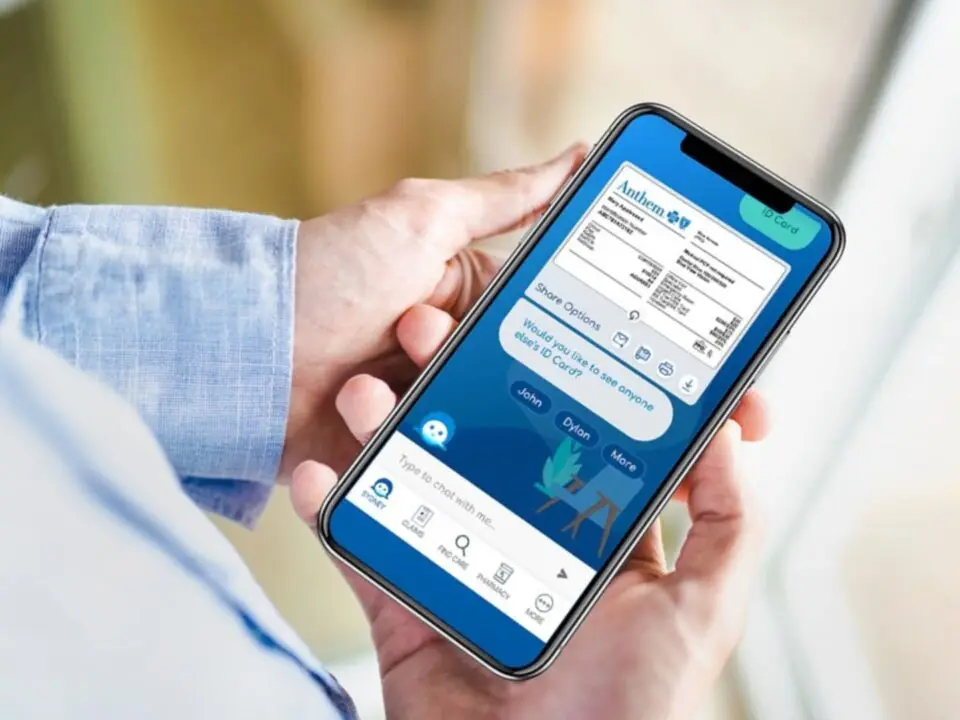
First City Mental Health Center provides a free verification of insurance benefits and accepts Cigna, Aetna, BCBS, United Healthcare, and Optum insurance policies, but does not accept Medicaid or Medicare. Located in Kokomo, Indiana, First City Mental Health in Indiana is conveniently situated on the street in Kokomo, making it accessible for local residents seeking mental health and substance use disorder treatments.
For many people, outpatient care is a sustainable option that supports recovery without requiring full-time hospitalization.
Impact of Treatment on Daily Life
The right mental health treatment can make a profound difference in daily life, especially for those facing the challenges of mental health disorders. At First City Mental Health Center, our approach is designed to help patients not only manage their symptoms but also regain a sense of balance and fulfillment. Through our outpatient treatment options—including partial hospitalization and intensive outpatient programs—patients can continue to meet their daily responsibilities while receiving the care they need.
We believe that recovery is most successful when it involves support from all angles. That’s why our programs include individual therapy, group therapy, and family therapy, ensuring that both patients and their loved ones are supported throughout the process. By addressing risk factors and common symptoms such as anxiety, depression, and suicidal thoughts, our team helps patients build resilience and confidence in their ability to handle life’s challenges.
First City Mental Health in Kokomo offers a full continuum of care, from detox to outpatient treatment, so patients can transition smoothly through each stage of recovery. Our commitment is to help every individual achieve long-term recovery, improve their quality of life, and become healthy members of their community. With the right support and treatment, a brighter, healthier future is within reach.
What Factors Should You Consider Before Choosing a Treatment Option?
Before choosing inpatient or outpatient care, consider:
- Symptom severity
- Personal safety risks
- Previous treatment history
- Support system availability
- Ability to manage daily responsibilities
- Insurance coverage and financial considerations (Insurance benefits and costs can vary based on the type of program, length of stay, and individual circumstances. Outpatient mental health care is generally less expensive than inpatient care. Community Mental Health Centers (CMHCs) often offer sliding-scale fees based on income and accept Medicaid as payment. Insurance and access for outpatient care are covered under mental health parity laws by most major private insurance plans and Indiana Medicaid.)
Most importantly, consult with a licensed mental health professional who can guide you toward the level of care that offers the best chance for recovery.
What Results Can You Expect and How Do You Get Started With Care?
Both inpatient and outpatient mental health treatment aim to improve emotional stability, coping skills, and overall quality of life.
Inpatient care often leads to:
- Crisis stabilization
- Symptom reduction
- Clear aftercare planning
Outpatient care supports:
- Long-term symptom management
- Skill-building
- Relapse prevention
First City Mental Health Center provides case management to help clients navigate next steps after treatment. The center utilizes evidence-based therapies, including cognitive behavioral therapy (CBT). The Visible Recovery alumni program offers ongoing support through monthly gatherings, fostering connection and accountability after treatment. The IU Health network provides the largest adult psychiatry outpatient program in Indiana.
To get started, you can contact a mental health provider, treatment center, or primary care physician for an assessment and referral. If you or someone you know is in crisis, call or text 988 for the Suicide & Crisis Lifeline.
Conclusion
There is no one-size-fits-all answer when choosing between inpatient and outpatient mental health treatment. The right choice depends on your symptoms, safety needs, and personal circumstances.
If you’re facing a mental health crisis, inpatient care may provide the stability and protection you need. If symptoms are manageable and support systems are in place, outpatient treatment can be an effective and flexible path to recovery.
Reaching out for help is the most important step—and the right level of care can make all the difference.