Understanding Drug Triggers: A Practical Guide for Recovery
December 3, 2025
Understanding Grief and Loss Disorders
December 8, 2025
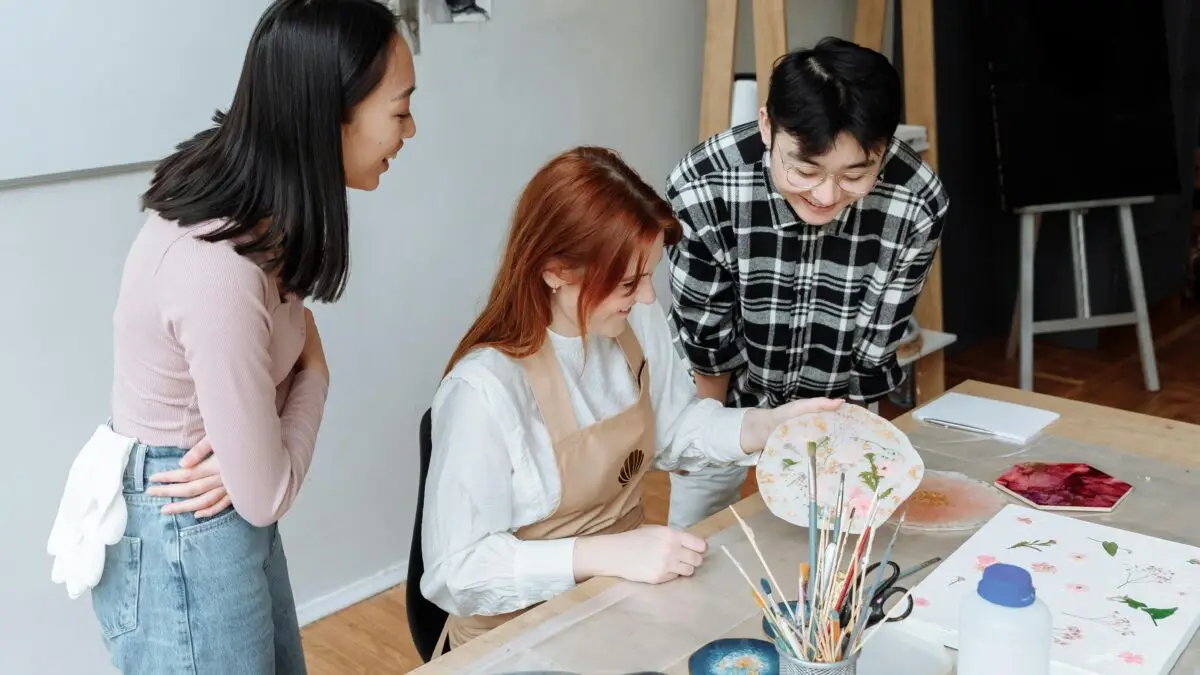
Creativity has long been recognized as a powerful force in emotional healing. For individuals navigating addiction, trauma, anxiety, and other mental health challenges, expressive arts therapy offers a meaningful pathway to self-understanding and recovery. At First City Mental Health, creative therapies are used to help clients express emotions, strengthen self-awareness, and build new coping strategies that support long-term wellness.
Below, we explore how expressive arts therapy transforms lives, one creative step at a time.
Key Takeaways
-
Expressive arts therapy provides a safe, nonverbal way to process complex emotions.
-
Creative practices enhance self-awareness, emotional regulation, and confidence.
-
Facilities in Kokomo, including First City Mental Health, incorporate creative therapy to strengthen addiction and mental health recovery.
-
Art-based therapy complements traditional counseling and improves treatment engagement.
What is Arts Therapy for Mental Health?
Question: What is Arts Therapy for Mental Health?
Answer: Art therapy for mental health is a therapeutic approach that uses creative activities, such as drawing, painting, music, movement, or writing, to help individuals express emotions, reduce stress, and improve overall well-being. It allows people to communicate feelings that may be difficult to put into words, making it especially helpful for those dealing with anxiety, depression, trauma, or addiction.
How Expressive Arts Therapy Helps Individuals Heal
Expressive arts therapy blends painting, writing, movement, music, drama, and other creative processes to help individuals communicate emotions when words feel insufficient. For clients who struggle to open up, this form of therapy provides a safer, gentler entry point into healing.
At First City Mental Health Kokomo In, therapists integrate these practices into personalized treatment plans. Whether someone battles addiction or overwhelming stress, creative expression offers a way to release internal tension while uncovering emotions that may have been ignored or suppressed for years.
Why Creative Therapies Matter in Modern Mental Health Facilities
Today’s mental health facilities are shifting toward more holistic, whole-person approaches to care. Expressive arts therapy aligns perfectly with this trend because it:
-
Encourages emotional release in a healthy way
-
Helps clients access memories or trauma stored beyond verbal language
-
Creates a sense of empowerment during recovery
-
Strengthens personal identity and confidence
-
Supports emotional regulation and mindfulness
This approach helps clients develop healthier coping mechanisms, improving both emotional stability and long-term outcomes.
The Growing Use of Art Therapy in Mental Health Facilities in Kokomo
Within mental health facilities in Kokomo, expressive arts therapy is increasingly recognized as a valuable complement to traditional treatments like counseling and medication management.
These facilities have found that:
-
Art-based sessions help clients open up more quickly
-
Creative tasks reduce anxiety and restlessness
-
Group activities strengthen connection and community support
-
Clients gain new tools to manage stress, cravings, and emotional distress
For individuals overcoming addiction or trauma, having multiple outlets for expression can drastically improve recovery progress.
Why Use Creativity as a Healing Tool
Within recovery environments like First City Mental Health Kokomo In, expressive arts therapy is intentionally integrated because it allows clients to build resilience gently. Many individuals entering treatment feel overwhelmed or emotionally shut down. Creative activities help reopen those emotional pathways in a safe and empowering way.
This method also normalizes emotional expression, which is essential for long-term recovery and relapse prevention.
Creative Expression Programs at First City Mental Health
At First City Mental Health, expressive arts therapy may include:
-
Visual arts (painting, drawing, collage)
-
Music therapy and rhythm-based activities
-
Creative writing or journal work
-
Movement and dance therapy
-
Clay or sculpting exercises
-
Drama or roleplay activities
These methods not only enhance emotional processing but also promote relaxation, grounding, and personal growth.
How Art Therapy Supports Individuals Searching for Mental Health Facilities
People searching for mental health facilities near me in Kokomo Indiana often seek something beyond standard talk therapy—something that feels more engaging, personal, and supportive. Expressive arts therapy meets that need.
It benefits individuals who:
-
Struggle to communicate feelings verbally
-
Have experienced trauma
-
Deal with substance use disorders
-
Suffer from depression or anxiety
-
Need creative outlets to reduce stress
This therapeutic approach creates hope, encourages connection, and helps clients rediscover their inner strengths.
Why the Best Inpatient Mental Health Facilities in Indiana Use Expressive Arts
The best inpatient mental health facilities in Indiana incorporate creative therapies because they see consistent results. Patients in residential care often experience:
-
Faster emotional breakthroughs
-
Improved emotional regulation
-
Reduced isolation
-
More motivation during treatment
-
Stronger engagement with the therapeutic process
Art-based approaches are particularly effective for patients who feel overwhelmed by traditional talk therapy or resistant to discussing painful memories aloud.
How Expressive Arts Therapy Builds Confidence
At First City Mental Health in Kokomo, expressive arts therapy helps restore confidence by allowing clients to create something meaningful with their own hands. The sense of accomplishment—no matter how small—can be transformative.
This confidence becomes a foundation for:
-
Overcoming cravings
-
Building healthier habits
-
Improving communication skills
-
Strengthening relationships
-
Taking responsibility for recovery progress
Creative success often becomes emotional momentum that carries into daily life.
The Role of Creative Healing Approaches
Expressive arts therapy plays a central role at First City Mental health in Kokomo Indiana, offering clients new ways to understand their past, manage their present, and shape their future.
Through creativity, individuals in recovery gain clarity about:
-
What triggers their emotional distress
-
How trauma has influenced their behaviors
-
What they want to change about their lives
-
Where they want their healing journey to lead
Creative expression becomes a bridge between pain and possibility—between who someone was and who they are becoming.
Conclusion
Expressive arts therapy is more than an activity—it is a transformative healing process. For individuals facing addiction or mental health challenges, expressing emotions through creativity can uncover hope, build resilience, and restore a sense of control.
At First City Mental health in Kokomo Indiana, this approach empowers clients to reconnect with themselves, break emotional barriers, and create a stronger foundation for lifelong recovery.
Frequently Asked Questions
1. What happens during an expressive arts therapy session?
A therapist guides clients through creative activities—such as drawing, writing, or music—to help them express emotions and explore thoughts in a nonverbal way.
2. Can expressive arts therapy help with addiction recovery?
Yes. It helps individuals identify emotional triggers, manage cravings, and process trauma, all of which support long-term sobriety.
3. Do I need artistic talent to benefit from this therapy?
Not at all. The goal is expression, not performance or perfection. Anyone can benefit regardless of skill level.
4. Is expressive arts therapy used with other treatments?
Yes. It is often combined with counseling, medication management, CBT, DBT, and other therapeutic approaches.
5. Can children and teens also participate in expressive arts therapy?
Absolutely. This method is highly effective for young people who have difficulty expressing emotions verbally.