
FMLA and Alcohol Rehab: How to Get Treatment Without Losing Your Job in Indiana
May 11, 2026
Mental Health Treatment Kokomo Indiana — Pillar Page
May 11, 2026
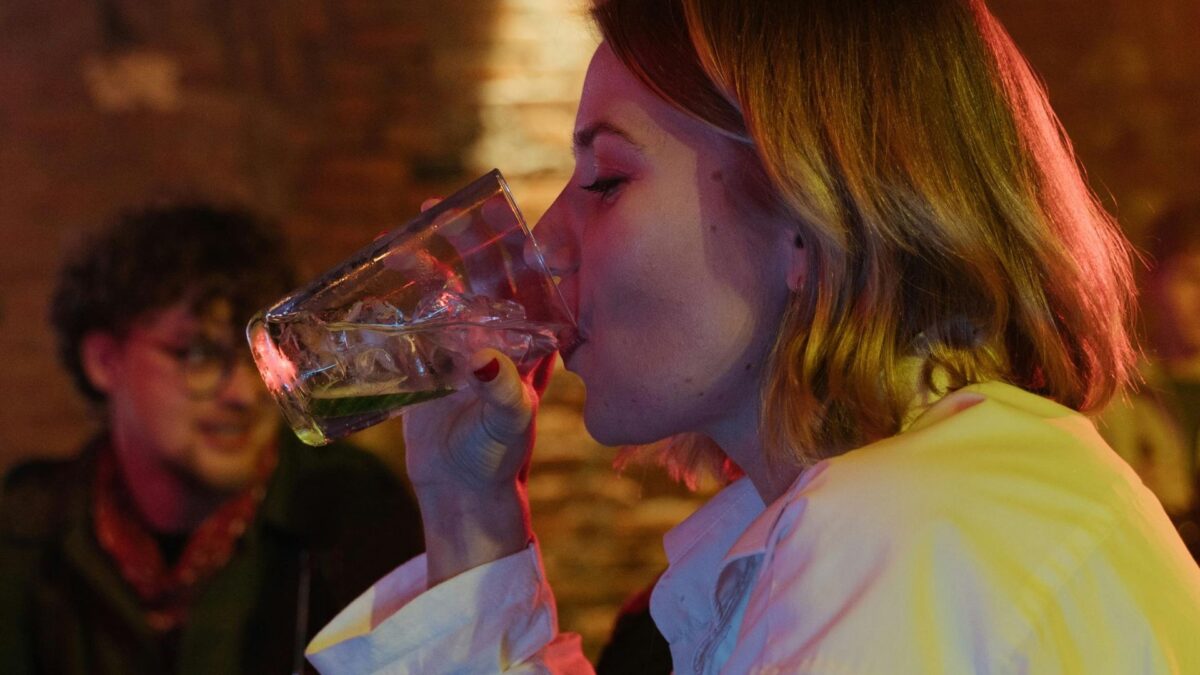
Daily drinking often starts as something simple—a way to relax, socialize, or unwind after a long day. Because it’s so common and widely accepted, it can be easy to overlook how quickly an occasional habit turns into a daily routine. For those beginning to explore support options such as alcohol rehab, including services like alcohol rehab Kokomo or alcohol rehab Indiana through providers like First City Mental Health, understanding how these patterns develop is an important first step.
Over time, even moderate, consistent alcohol use can begin to influence how your body feels, how your mind functions, and how you manage stress. These changes are usually gradual, making them hard to notice at first—but they can quietly shape your sleep, mood, energy, and overall wellbeing.
Understanding what’s happening beneath the surface is the first step toward recognizing whether your drinking pattern is still serving you—or starting to take more than it gives.
Key Takeaways
- Daily drinking can affect sleep, mood, energy, and brain function gradually over time.
- Tolerance and reliance can develop slowly without obvious warning signs.
- Noticing patterns early gives you more options—not fewer.
What Is Alcohol Detox?
Question: What is Alcohol Detox?
Answer: Alcohol detox is the process of clearing alcohol from the body after someone stops or reduces drinking, while the body adjusts to functioning without it. Over time, daily alcohol use can change brain chemistry, sleep patterns, energy levels, and emotional regulation. When drinking becomes routine, the body may develop tolerance, meaning more alcohol is needed to feel the same effects, and in some cases, dependence, where discomfort occurs when not drinking.
These changes often happen gradually, making them easy to overlook until symptoms become more noticeable. Not everyone who drinks daily develops severe health issues, but regular alcohol use can still affect physical health, mood, and long-term well-being in ways that are not always immediately obvious.
Why Daily Drinking Feels “Normal” at First
For many people, daily alcohol use starts quietly rather than all at once. It might begin with a glass of wine after work, a beer with dinner, or a drink to “unwind” at the end of the day.
Over time, this routine can feel completely normal—especially because drinking is often socially accepted and even encouraged in many environments.
Early changes are usually subtle:
- A slight shift in sleep quality
- A bit more reliance on alcohol to relax
- Drinking is becoming part of the daily rhythm
Because the effects don’t feel dramatic at first, it’s easy to assume nothing is changing.
Most people don’t notice a pattern forming until their routine is already established.
What Alcohol Does in Your Body Each Time You Drink
Every time you drink alcohol, your body treats it like a substance it needs to process and remove.
Here’s what happens internally:
- Brain: Alcohol slows communication between brain cells, which affects mood, coordination, and decision-making
- Liver: Works to break down alcohol into less harmful substances, but this process creates strain over time
- Nervous system: Initially creates relaxation, but also disrupts natural balance
Even if the effects feel mild in the moment, your body is still actively working to process a toxin.
Callout: Signs Your Body is Adapting to Alcohol
Over time, repeated exposure can lead to subtle physiological adjustments, including reduced sensitivity to alcohol’s effects.
Short-Term Effects of Drinking Daily
When alcohol is used every day, certain effects can start to show up consistently:
- Sleep disruption (even if you fall asleep faster, sleep quality often decreases)
- Lower energy levels throughout the day
- Mood swings or irritability, especially during non-drinking periods
- Reduced focus and productivity
- Increased tolerance, meaning the same amount of alcohol feels less noticeable
For many people, these changes are gradual enough to attribute to stress, work, or lifestyle—rather than alcohol itself.
How Daily Drinking Affects Your Brain and Emotions
Alcohol has a direct impact on brain chemistry, especially systems related to mood and stress.
Over time, alcohol and brain function changes may include:
- Reduced ability to regulate stress naturally
- Increased reliance on alcohol to relax or “switch off.”
- More frequent feelings of anxiety or low mood when not drinking
- Emotional flattening or reduced motivation
This doesn’t happen overnight. It develops gradually as the brain adjusts to frequent alcohol exposure.
Many people describe it as:
“I didn’t realize I was using it to cope until I tried to stop.”
These shifts can also influence alcohol and mental health effects, especially when drinking becomes a primary coping tool.
Long-Term Physical Effects of Daily Drinking
When alcohol is consumed daily over time, the body can experience cumulative strain.
Liver and metabolism
- Increased liver workload
- Risk of inflammation over time
- Slower processing of toxins
Heart and circulation
- Elevated blood pressure in some individuals
- Increased strain on the cardiovascular system
Weight and energy regulation
- Changes in appetite and metabolism
- Fatigue affecting physical activity
Immune system
- Reduced ability to recover from illness
Hormonal balance
- Disruption in sleep-related and stress-related hormones
Callout: Long-Term Effects Build Quietly
Many of these changes develop slowly, which is why they are often noticed only after patterns are well established.
These are part of the broader long-term effects of daily drinking, which vary depending on frequency, quantity, and individual health.
Tolerance, Dependence, and the Gradual Shift
One of the most subtle changes in daily drinking is how the body adapts over time.
1. Tolerance
You may notice you need more alcohol to feel the same effect.
2. Habit strengthening
Drinking becomes tied to specific routines (after work, meals, stress relief).
3. Dependence risk (not always present)
Some people begin to feel uncomfortable, restless, or “off” when they don’t drink.
This shift is usually slow: habit → adaptation → reliance
It often happens so gradually that it doesn’t feel like a major change—just a “strong preference” or routine.
Subtle Signs Alcohol May Be Affecting You
Daily drinking doesn’t always look dramatic. Sometimes it shows up in everyday patterns.
You might notice:
- Drinking feels expected at certain times of day
- Taking breaks from alcohol feels unusually difficult
- Using alcohol more often to manage stress or unwind
- Sleep or mood feels less stable than before
- Friends or family mention your drinking more than once
These signs don’t define a problem—but they can indicate a pattern worth noticing.
When Daily Drinking Becomes a Concern
It may be worth paying closer attention if:
- You often drink alone
- You experience memory gaps after drinking
- You feel physical or emotional discomfort when not drinking
- Drinking is affecting relationships, work, or responsibilities
These are early indicators that alcohol may be playing a stronger role in daily life than intended.
For some people, this stage overlaps with early alcohol abuse vs alcohol dependence patterns.
If You’re Starting to Question Your Drinking
If you’re asking yourself whether daily drinking is affecting you, that question itself is important.
You don’t need to make immediate changes to start exploring:
- Try tracking your drinking for a week
- Take a short break from alcohol and observe changes
- Talk openly with someone you trust
- Learn about support options without commitment
For some individuals, learning more about alcohol rehab can provide clarity on what structured support looks like. Options such as alcohol rehab Kokomo or alcohol rehab Indiana may offer different levels of care depending on individual needs, and providers like First City Mental Health are examples of programs designed to support recovery at different stages.
If you want to understand progression more, you may also find it helpful to review the signs you need rehab for a broader context.
You Don’t Need a Label to Pay Attention
Awareness doesn’t require a diagnosis.
You don’t need to call it anything to start noticing patterns.
Small shifts early are often easier to understand—and easier to adjust—than long-established habits.
Support exists at every stage, whether you’re just curious or starting to feel concerned.
Frequently Asked Questions
1. Is drinking every day always harmful?
Not necessarily for everyone, but daily drinking can still affect sleep, mood, and long-term health, depending on the amount and individual factors.
2. Why do I feel more tired when I drink daily?
Alcohol can disrupt sleep quality and recovery, even if it initially makes you feel relaxed.
3. Can daily drinking affect mental health?
Yes. Regular alcohol use can influence mood regulation and stress response over time.
4. What is alcohol tolerance?
It’s when your body becomes less sensitive to alcohol, leading you to need more to feel the same effects.
5. How do I know if my drinking is becoming a problem?
Look for changes in control, routine dependence, sleep disruption, or difficulty taking breaks.